

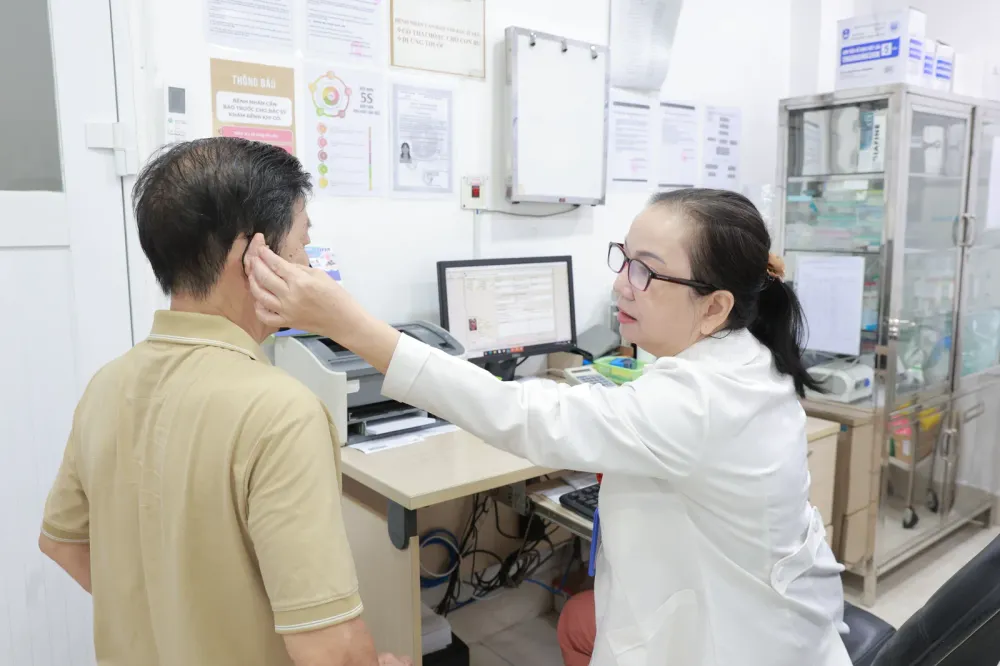
A stroke occurs when blood supply to part of the brain is suddenly interrupted — either because a blood vessel is blocked (ischaemic stroke, accounting for roughly 85% of cases) or because a vessel ruptures and bleeds into the brain (haemorrhagic stroke). Every minute without treatment, approximately 1.9 million brain cells die. This is why time is the single most critical factor in stroke outcomes: the sooner treatment begins, the more of the brain can be saved.
Recognise the Warning Signs: The FAST Rule
The FAST acronym is the most widely used and medically endorsed tool for quickly identifying a stroke:
- F — Face: Ask the person to smile. Does one side of the face droop or appear uneven? This indicates facial weakness — a major stroke warning sign.
- A — Arms: Ask the person to raise both arms at the same time. Does one arm drift downward or feel too weak to lift? This suggests limb weakness on one side.
- S — Speech: Ask the person to repeat a simple sentence. Is the speech slurred, garbled, or impossible to understand? Can the person understand what you are saying? Speech difficulties are a hallmark of stroke.
- T — Time: If you observe ANY of these signs, call the emergency services immediately. Note the exact time the symptoms began — this information is vital for the medical team.
Two additional warning signs are equally important:
- Sudden loss of vision in one or both eyes — blurred, double, or completely absent.
- Sudden, severe headache described as “the worst headache of my life” — unlike any ordinary headache, sometimes accompanied by vomiting and neck stiffness.
Why Are the First Three Hours So Critical?
For ischaemic stroke (caused by a blood clot), a clot-dissolving medication can be administered to restore blood flow to the brain — but only within a window of approximately 3 to 4.5 hours from when symptoms first appear. After that window closes, the medication cannot be safely used and the risk of permanent brain damage rises sharply. Certain cases may also be eligible for a mechanical procedure to remove the clot within 24 hours — but earlier is always far better.
What to Do (and Not Do) When Stroke Is Suspected
Do:
- Call the emergency services immediately — do not drive the person to hospital yourself.
- Keep the person calm and still, lying down with their head slightly elevated. If they vomit, turn them gently onto their side to prevent choking.
- Note the exact time symptoms began and report this to the paramedics and doctors.
- Loosen tight clothing, belts, and collars.
Do not:
- Give the person anything to eat or drink.
- Administer any medication without medical instruction — including aspirin.
- Attempt any folk remedies such as massage, cupping, or scraping.
- Wait and watch to see if symptoms resolve on their own — transient symptoms are still an emergency.
Who Is at Higher Risk?
Controllable risk factors include high blood pressure, diabetes, high cholesterol, smoking, obesity, and atrial fibrillation (an irregular heart rhythm). Managing these conditions through regular health check-ups, medication, and lifestyle changes is the most effective way to reduce stroke risk.
At Ky Hoa Medical Center, our emergency department operates 24 hours a day, 7 days a week, ready to receive and manage stroke emergencies. Every second matters — call for help the moment you recognise the signs, and get to the nearest medical facility as quickly as possible.